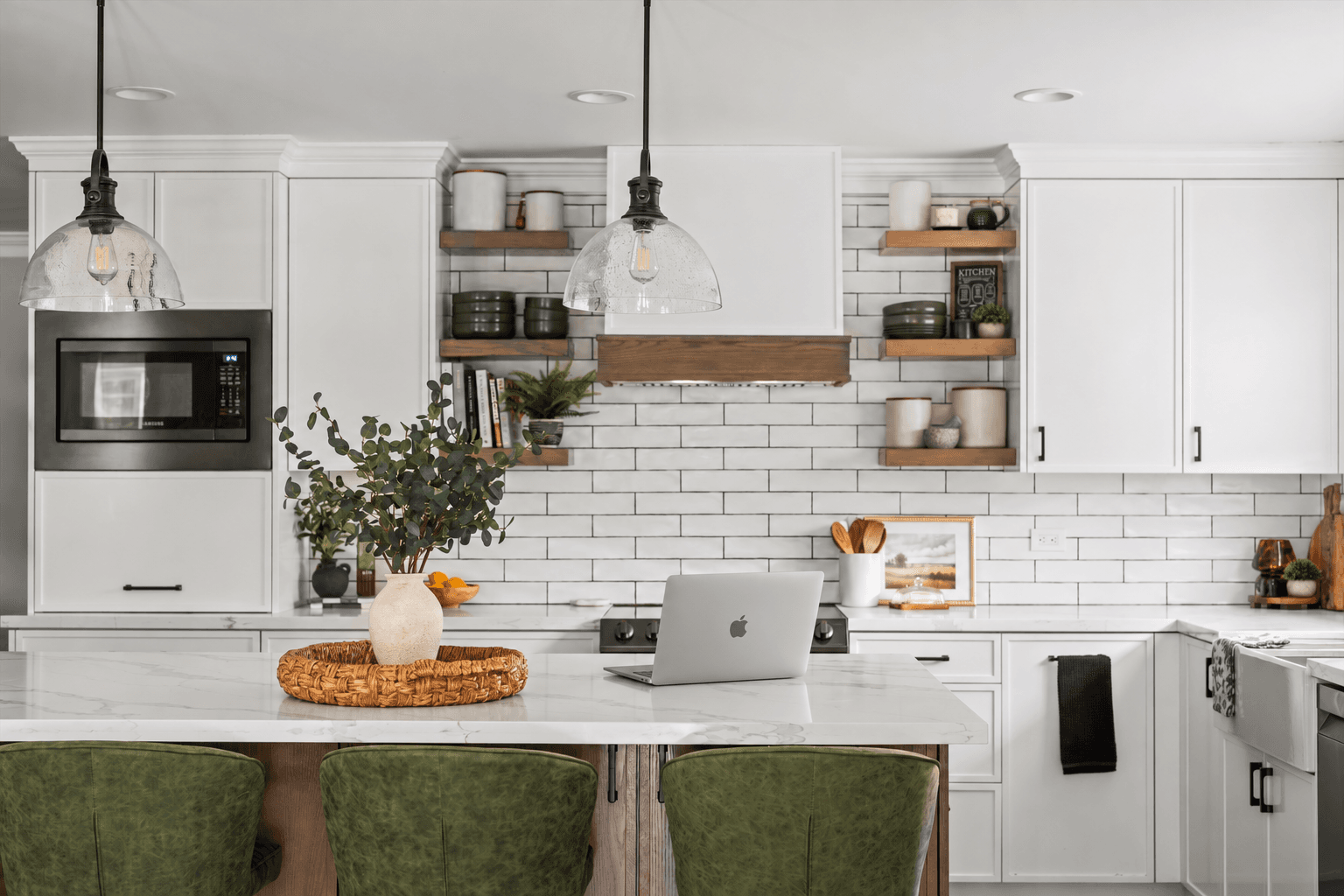
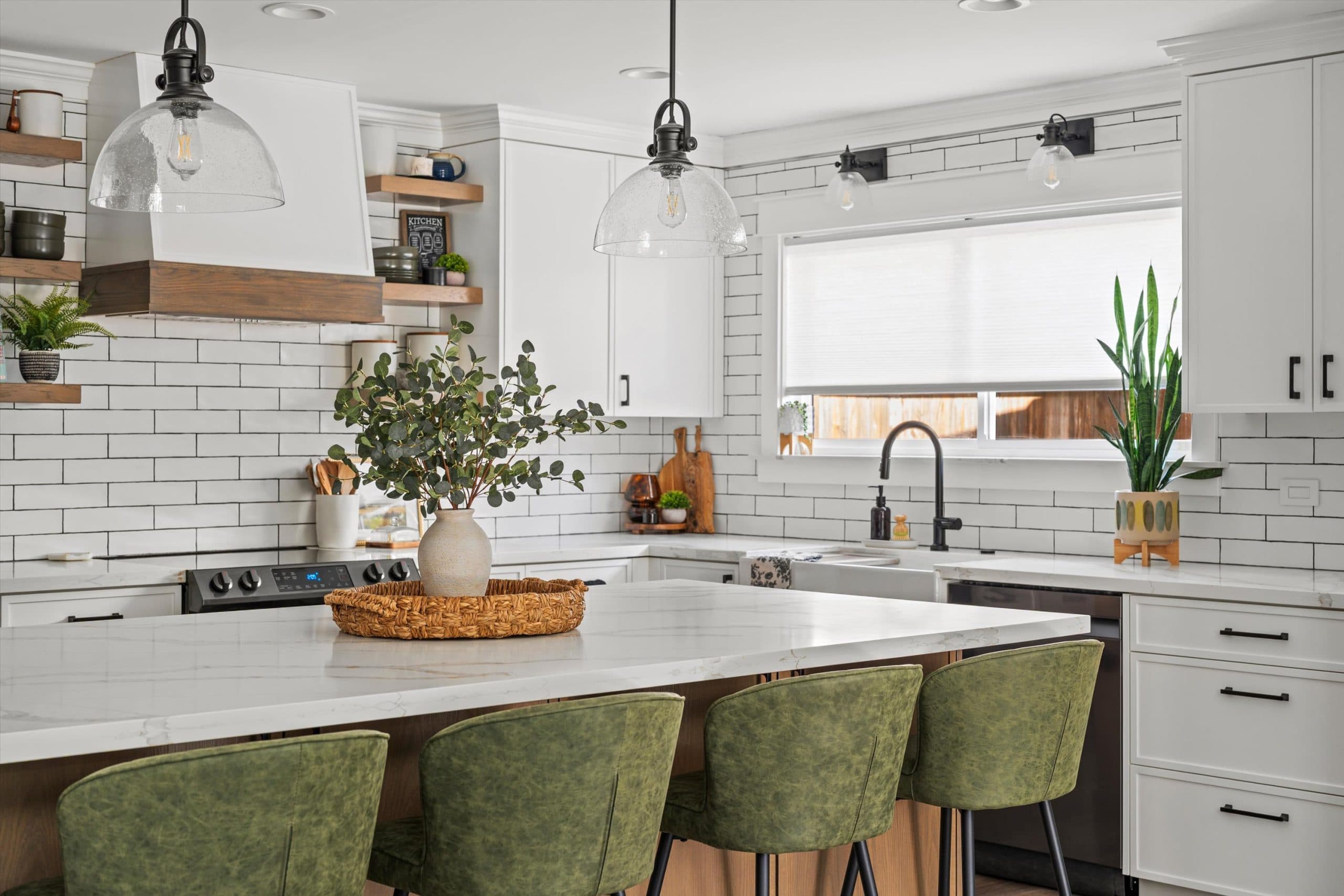
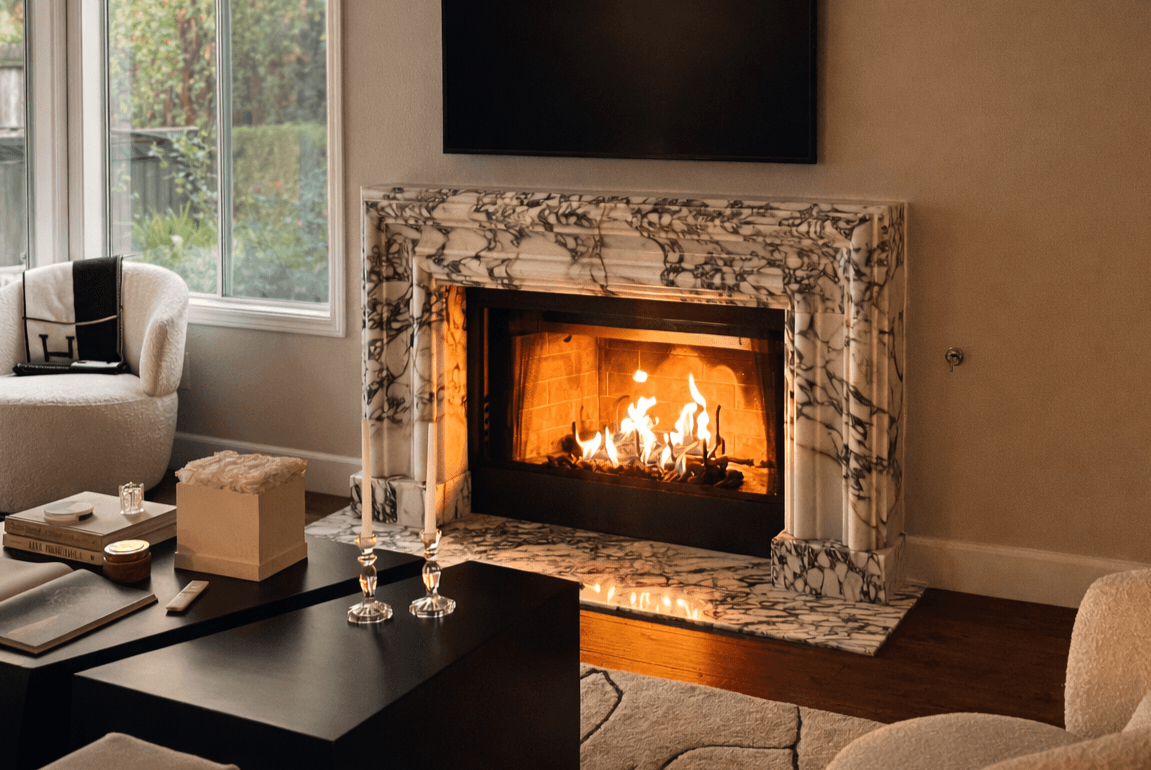
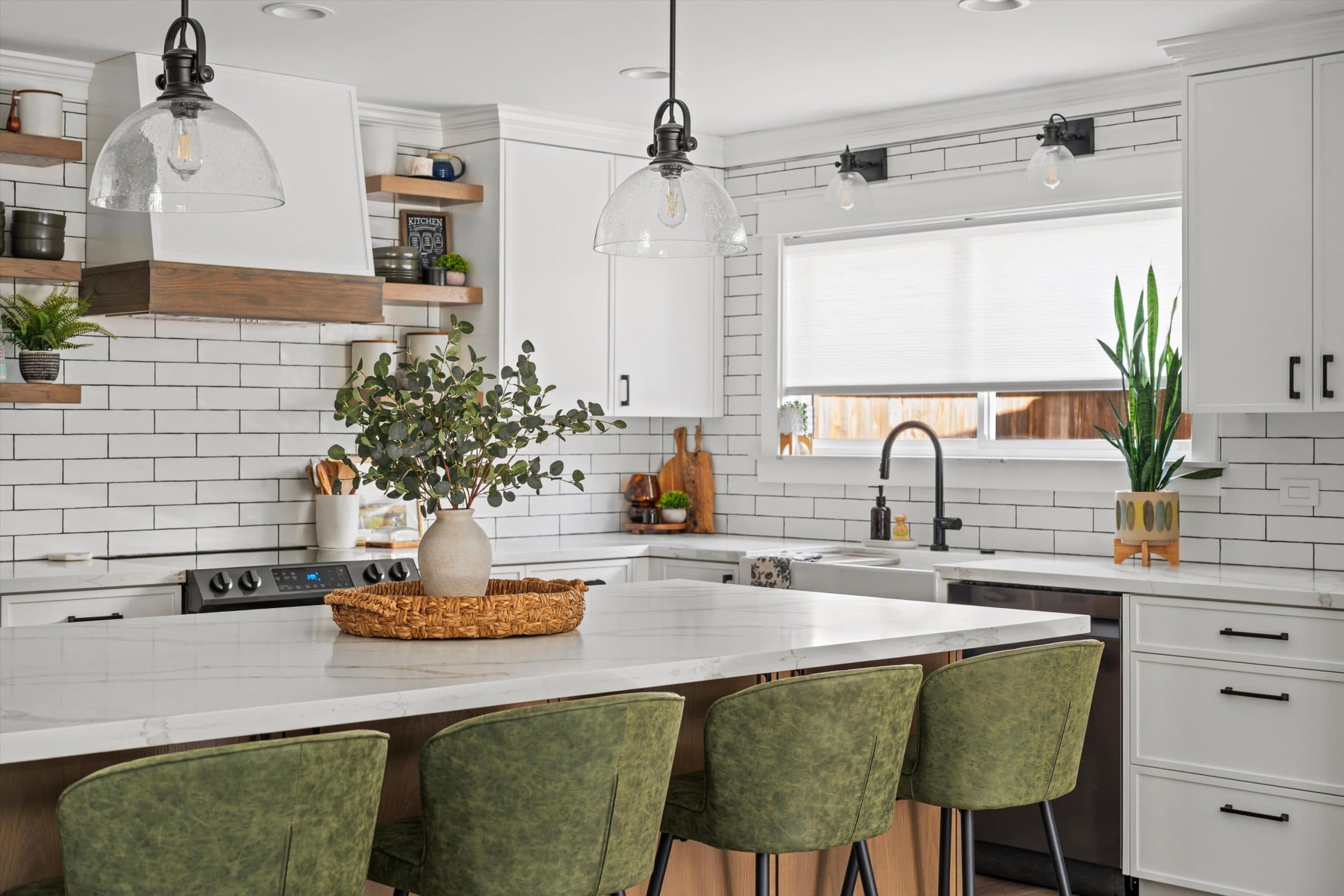
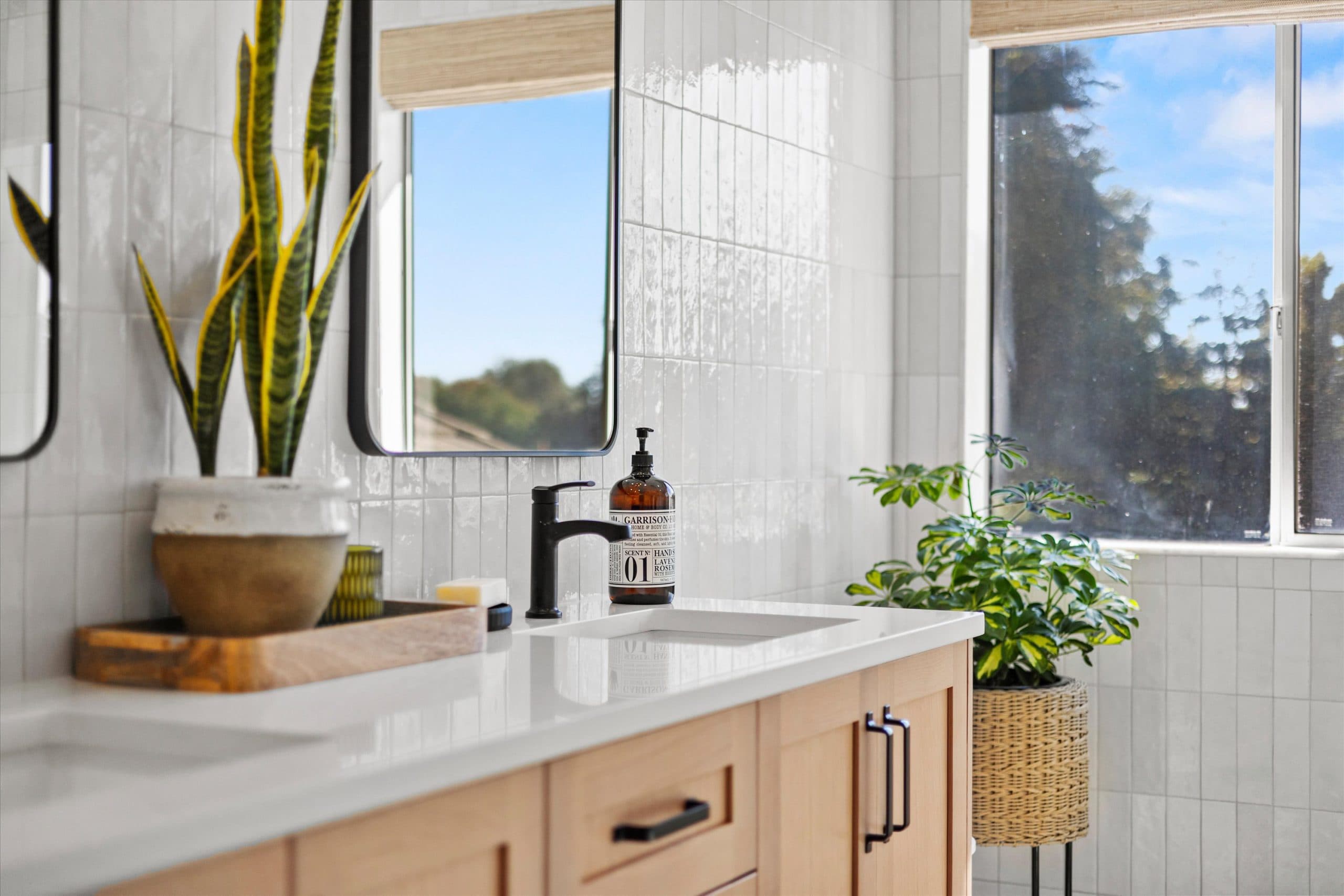
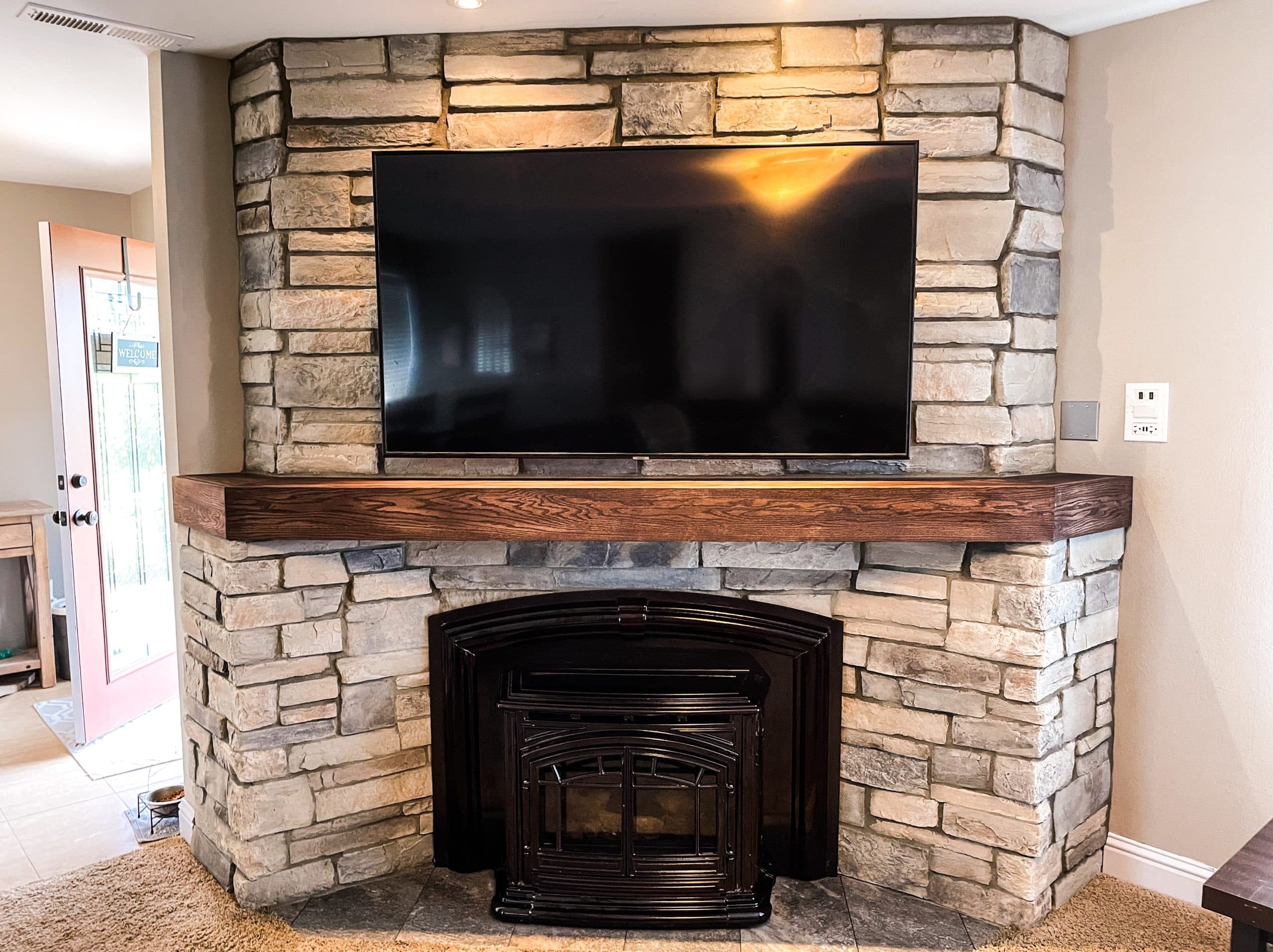


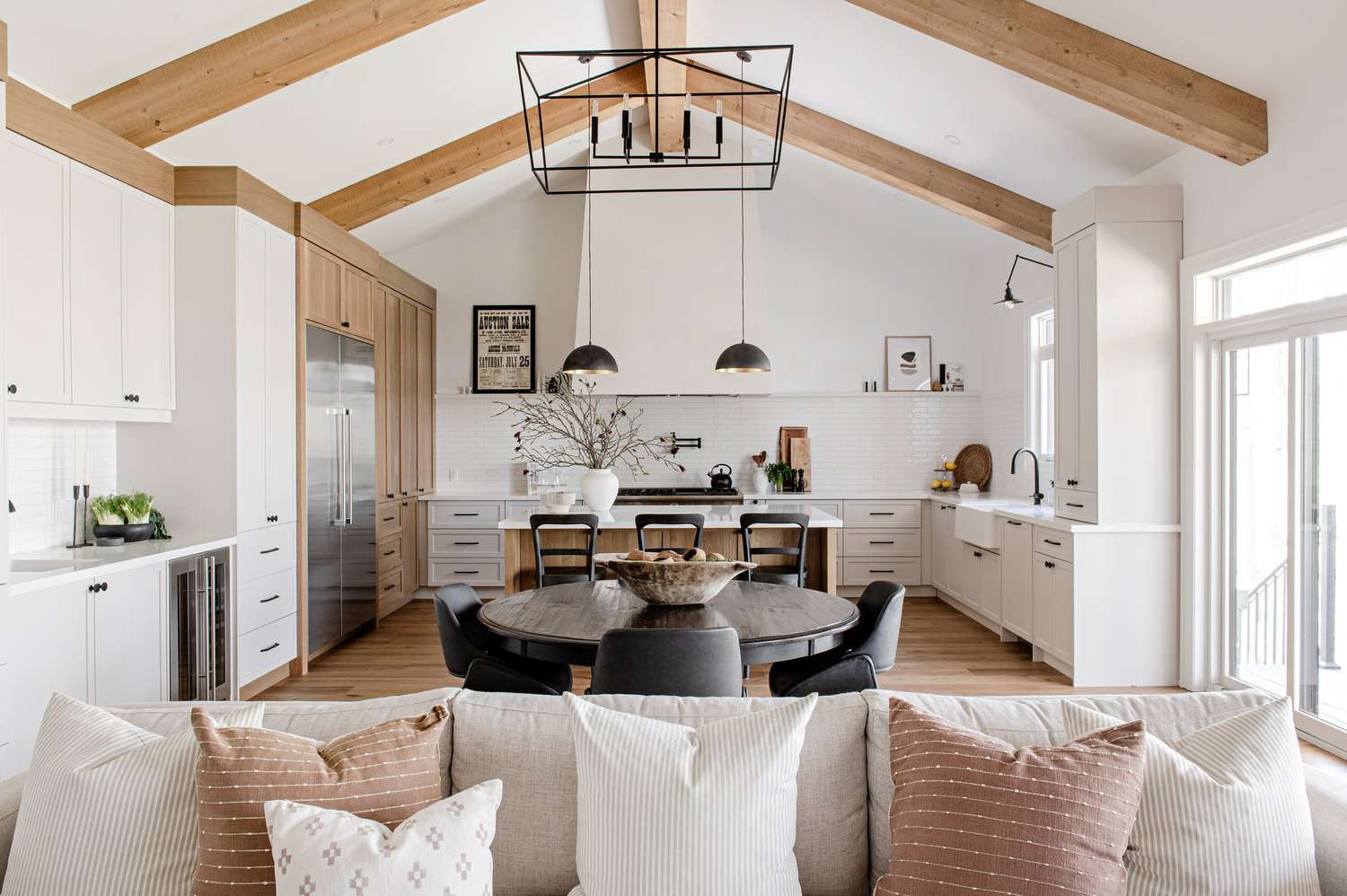
Open floor plans have been a major trend in modern home design for years. With their spacious feel, natural flow, and bright atmosphere, it’s easy to see why many homeowners and designers gravitate toward this layout. However, despite the widespread popularity, open floor plans aren’t always the best solution for every space or lifestyle. Here’s a closer look at the advantages and disadvantages of open floor plans, and why it might not be the right choice for you.
In Sacramento, where much of the housing stock was built before open floor plans became popular, this decision often comes with structural considerations that national articles don’t address.
The History of the Modern Open Floor Plan
One of the earliest champions of the open floor plan in residential architecture was Frank Lloyd Wright. Building on the principles of Charles and Henry Greene and the shingle style movement, Wright reimagined the home’s layout to promote connection and flow. His designs often featured a centralized kitchen that opened directly into shared living and dining areas—an intentional shift meant to bring the homemaker out of isolation and into the social heart of the home.
As Wright put it, the housewife could now act as a “gracious hostess,” rather than being confined to the role of a “kitchen mechanic” tucked behind closed doors. This concept gradually gained traction, and by the 1970s, open kitchen-living spaces had become especially popular in American homes.
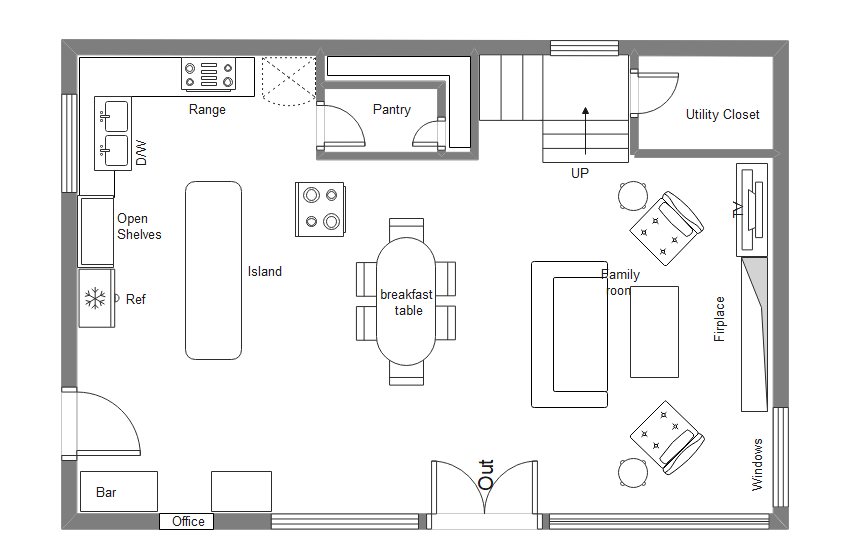
Pros of Open Floor Plans
Increased Natural Light – With fewer walls, natural light can easily flow through the space, creating an airy, bright, and inviting atmosphere. This can make even smaller homes feel larger and more open.
Better Social Interaction – An open floor plan encourages socialization by removing barriers between rooms. Whether you’re cooking in the kitchen, relaxing in the living room, or entertaining guests, everyone can interact and communicate without feeling confined.
Greater Flexibility – The lack of walls means more flexibility in arranging furniture. You can adapt the layout to your needs, whether you’re hosting a party or just relaxing with family. This versatility is especially helpful in multi-functional spaces.
Easier Supervision – For families with young children, an open floor plan can make it easier to keep an eye on kids while cooking or doing other tasks. It provides a clear line of sight across the home.
Modern Appeal – Open floor plans tend to have a sleek, contemporary look, which is appealing to many homeowners. The seamless flow between living areas is often seen as more aesthetically pleasing than more traditional segmented spaces.
Cons of Open Floor Plans
Lack of Privacy – One of the biggest downsides to an open floor plan is the lack of privacy. Rooms are not divided, so everyone is visible and audible, which can lead to distractions, especially in households with multiple people. It may not be ideal for people who value their personal space.
Noise Levels – Without walls to absorb sound, noise can travel freely between rooms. This can become a problem, especially in larger homes where the sounds of cooking, television, or conversations can overlap. This can disrupt quiet time or make it hard to focus in certain areas.
Limited Storage and Organizational Space – Open floor plans often have fewer built-in storage solutions compared to more traditional layouts. With fewer walls, there are fewer places for shelves, cabinets, or closets. This can lead to clutter if you don’t make a conscious effort to organize your space.
Heating and Cooling Challenges – Large, open spaces can make it more difficult to regulate temperature. Airflow may not be as efficient, leading to hot or cold spots. This can be costly in terms of energy use, as heating or cooling a large, open area requires more energy.
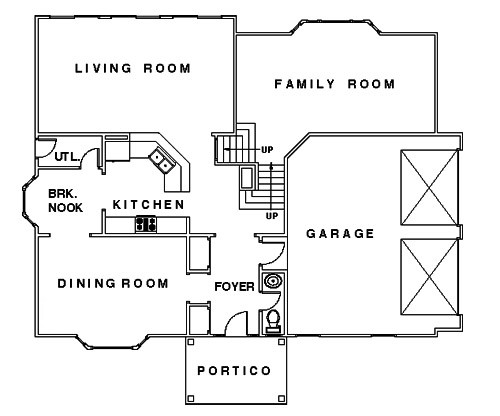
Are Open Floor Plans Still Trending in 2026?
Here’s something worth knowing if you’re planning a remodel right now: the design conversation around open floor plans is actively shifting.
After decades of wall removal being the default answer to any remodel question, designers and homeowners are increasingly reconsidering fully open layouts. The reasons aren’t surprising — remote work, multigenerational households, and general post-pandemic fatigue with spaces that feel loud and hard to control have all pushed people toward what designers are calling “semi-open” or “flex” floor plans. These layouts preserve the connection between kitchen, dining, and living areas while introducing subtle architectural separation — a partial wall, a strategic island, a set of French doors — that lets you close things off when life requires it.
This doesn’t mean open floor plans are going away. It means the “one size fits all” approach is. The best remodels we’re seeing in Sacramento right now aren’t choosing between fully open and fully closed — they’re designed to flex. Open when you’re entertaining. Separated when you’re on a work call or putting kids to bed.
If you’ve been holding off on a remodel because you couldn’t decide between the two, this is actually good news. The answer might be neither — or both.
Why Open Floor Plans Aren’t Always the Best Option
Despite all the buzz around open floor plans, they might not be right for everyone. Here are a few reasons why this trendy layout might not suit your needs:
Lifestyle and Family Needs – If you have a large family or share your space with multiple roommates, the lack of privacy could be problematic. Open floor plans can feel chaotic, especially if you have different routines or schedules.
Noise Sensitivity – If you work from home, study, or just prefer a quieter environment, the sound transmission in an open floor plan could be disruptive. It’s harder to create quiet spaces when the sound of the TV or phone conversations easily spills over into other areas.
Clutter and Mess – Open floor plans require a higher level of organization to avoid clutter. Without walls to hide messes, every area needs to be tidy, which might not always be practical, especially if you have children or pets.
Cost Considerations – The construction of an open floor plan can sometimes be more expensive due to the need for structural changes or higher-quality materials to ensure that the space is cohesive and functional.
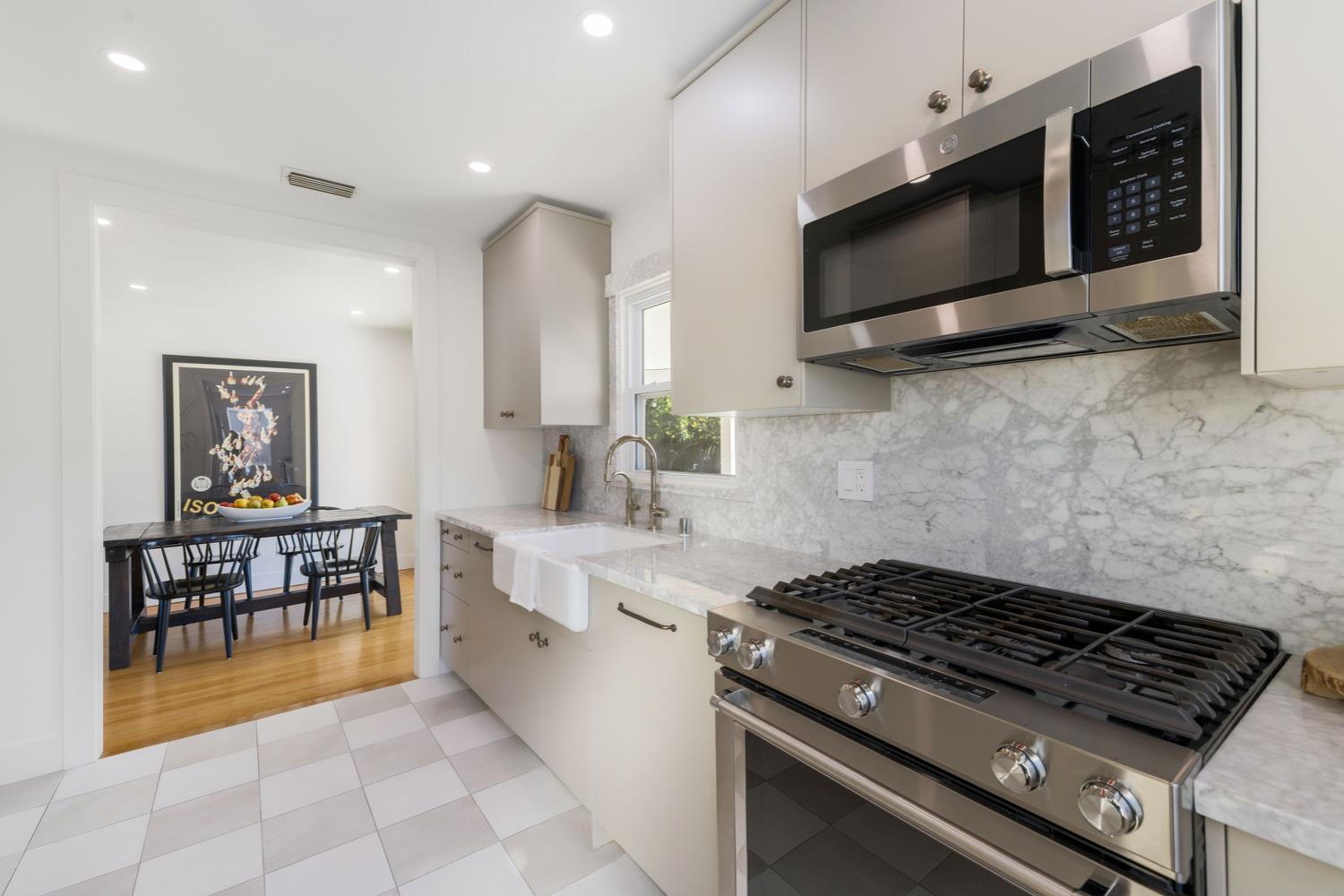
Open floor plans are definitely a great fit for some people and lifestyles. They encourage togetherness, allow more natural light, and provide a sleek, modern aesthetic. However, they aren’t always ideal for those who value privacy, peace, and order. It’s important to weigh the pros and cons carefully and assess your personal preferences and needs before jumping on the open floor plan bandwagon.
Remember, there’s no one-size-fits-all solution. Whether you’re renovating your current space or building a new one, it’s important to consider what works best for your lifestyle. An open floor plan might be perfect for some, but it may not be the right fit for everyone.
The Hybrid Approach — Getting the Best of Both Worlds
The most requested remodel we see in Sacramento right now isn’t a full wall removal or a full wall addition — it’s a hybrid. Homeowners want the light and flow of an open plan with the ability to create separation when they need it. Here’s how that actually gets built:
Pocket doors and barn doors — One of the simplest and most effective solutions. A set of pocket doors between the kitchen and dining area can be fully open during a dinner party and fully closed when someone’s on a video call. No structural changes required in most cases, and the visual impact is significant in either direction.
Glass partitions — Partial walls with glass panels preserve sight lines and natural light while creating genuine acoustic separation. These work especially well in older Sacramento homes where a full wall removal would require structural work — a glass panel can give you 80% of the open feel at a fraction of the cost and disruption.
Kitchen islands as zone dividers — A well-placed island with a raised bar top on the dining side creates a visual and functional boundary without any wall at all. This is often the most budget-conscious approach to opening up a space while still defining where the kitchen ends and the living area begins.
Built-in shelving as room dividers — Double-sided built-ins that serve storage on both sides can define two spaces without closing them off entirely. This works well in living rooms that open onto a hallway or home office area.
Strategic ceiling changes — Coffered ceilings, dropped soffits, or changes in ceiling height between zones create architectural definition without physical barriers. This is particularly effective in Sacramento’s ranch-style homes where ceiling height is already limited.
The right combination depends entirely on how your family uses the space, what’s structurally possible, and what your remodel budget allows. If you’re weighing these options for your Sacramento home, a discovery call with our team is a good place to start — we’ve worked through all of these solutions in homes across Carmichael, Fair Oaks, Granite Bay, and East Sacramento.
Opening Up a Floor Plan in Sacramento — What to Expect
Most of the content you’ll find on open floor plans online is written for a general audience. Sacramento homeowners face some specific considerations worth knowing before you start talking to contractors.
Older home stock. A significant portion of Sacramento’s housing — particularly in Carmichael, Land Park, Midtown, Fair Oaks, and East Sacramento — was built between the 1940s and 1980s. These homes were designed with closed floor plans as the norm. Many of them have load-bearing walls between the kitchen and living areas, which means wall removal isn’t just a design decision — it’s a structural one that requires an engineer’s assessment, permits through Sacramento County, and often some surprises once the wall is open.
Permit requirements. Sacramento County requires permits for structural modifications including load-bearing wall removal. Budget for this — and for the timeline it adds. A permitted wall removal typically adds 2–4 weeks to a project compared to a cosmetic remodel. Any contractor who tells you permits aren’t necessary for a load-bearing wall removal should be a red flag.
What’s hiding in the wall. In older Sacramento homes, walls between the kitchen and living areas frequently contain plumbing, electrical, and sometimes HVAC ducts. Discovering and rerouting these systems is the most common source of cost overruns in open floor plan remodels. A thorough pre-construction assessment — including pulling permits and having a licensed contractor assess the wall before demo — is the best way to catch these issues before they become surprises.
Cost ranges for Sacramento. Wall removal projects in the Sacramento area typically range from $5,000–$20,000+ depending on whether the wall is load-bearing, what utilities are found inside it, and how much finish work is needed after the structural work is done. A non-load-bearing wall removal with minimal utility relocation can run $3,000–$6,000. A load-bearing wall with beam installation and significant finish work can exceed $25,000 in complex situations. These ranges reflect 2025–2026 Sacramento labor rates, which run approximately 12% above the national average.
Frequently Asked Questions
In the Sacramento area, wall removal projects typically range from $5,000 to $20,000+. A non-load-bearing wall with no utility conflicts is on the lower end. A load-bearing wall requiring a structural beam, engineer’s assessment, and permit can run $15,000–$25,000 or more depending on the scope. The most accurate way to get a number is an on-site consultation — phone estimates for structural work are rarely reliable.
Yes — if the wall is load-bearing or contains electrical, plumbing, or mechanical systems, a permit is required by Sacramento County. Even some non-load-bearing walls require permits depending on what’s inside them. Working without permits creates liability issues when you sell the home and can result in costly corrections down the road. Any licensed contractor should pull permits as a matter of course.
A load-bearing wall supports the structural weight of the home — the floors, roof, or other walls above it. Removing one without proper engineering and a replacement beam can compromise the structural integrity of the house. A non-load-bearing wall is essentially a partition — it divides space but carries no structural weight. The difference matters enormously for both cost and complexity. A licensed contractor or structural engineer can determine which type you have.
Generally yes — open layouts have historically appealed to buyers and show well in listing photos. However, the data on this is starting to shift. There’s growing buyer interest in defined spaces, particularly for work-from-home functionality and multigenerational living. The best advice: design for how you actually live, not just for resale. A hybrid approach that adds flexibility tends to appeal to the widest range of future buyers.
Absolutely — and this is often the smarter approach in older Sacramento homes. Pocket doors, pass-through windows, glass partitions, and strategic island placement can all create the feeling of openness without structural modification. If your home has a load-bearing wall between the kitchen and living room, these alternatives are worth pricing before committing to full wall removal.
Free Download — 2026 Sacramento Kitchen & Bath Cost Guide
Real pricing data for homeowners planning a remodel in Sacramento. Cost ranges by project tier, a budget breakdown, and the questions you should ask before signing with any contractor. Enter your details below and we'll email it to you.
No spam. Unsubscribe anytime.