


Phone: 916.900.1254
Parrish Construction Inc. logoParrish Construction Inc. logo
Home
Featured Projects
Contact UsBlog
Schedule a Discovery Call
Parrish Construction Inc. logo

Parrish Construction Inc is a full-service General Contractor specializing in design-build residential remodeling in the Greater Sacramento Area and beyond.

916.900.1254admin@parrishbuilds.com

Find Us On

FacebookInstagramLinkedInHome AdvisorYelpHouzz

Menu

ServicesFeatured ProjectsMeet The TeamOur ProcessContact UsBlog

Resources

WarrantyMaterial ConsiderationsHeated Floor InstallationsFinancing Options

© Parrish Construction Inc 2021–2026 | General Contractor CSLB #: 1115328

Privacy Policy
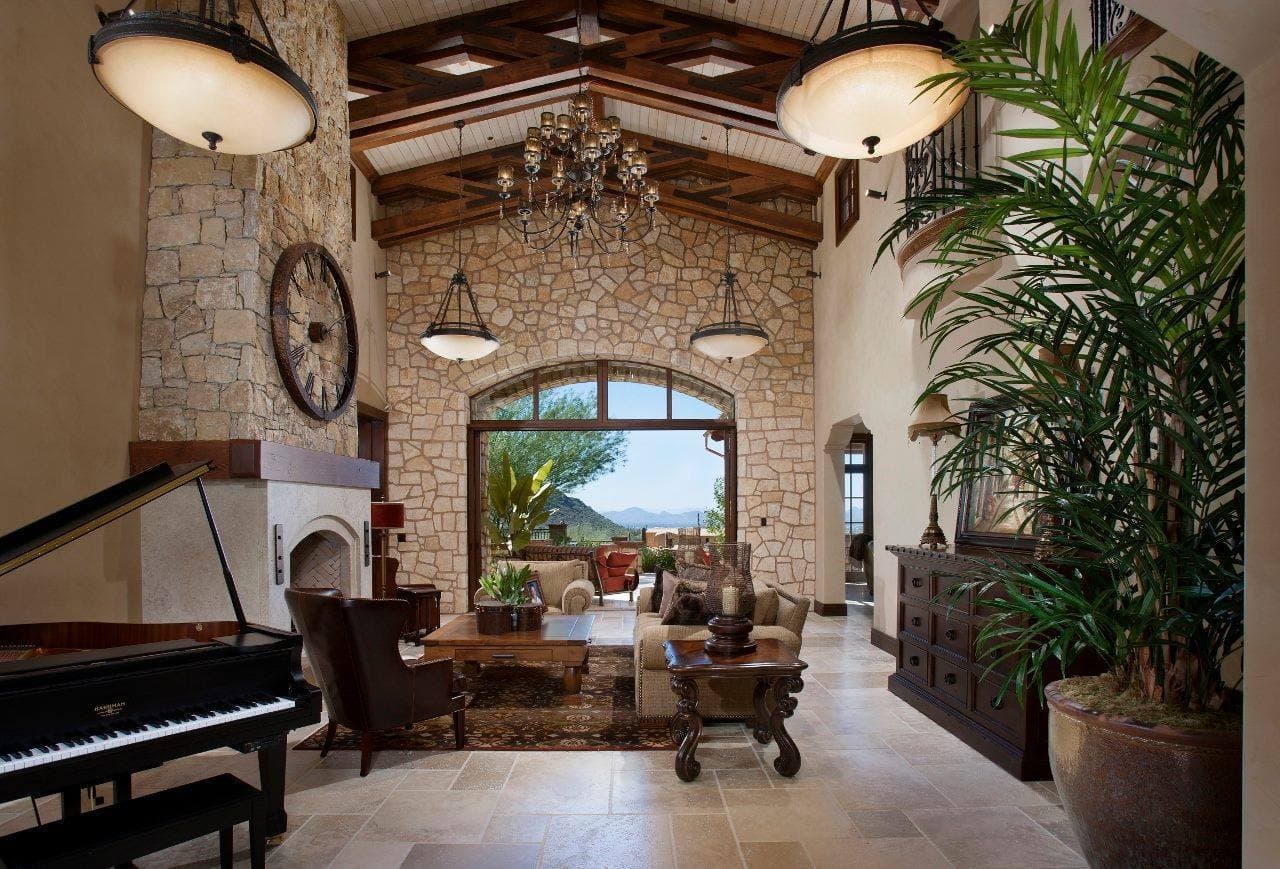
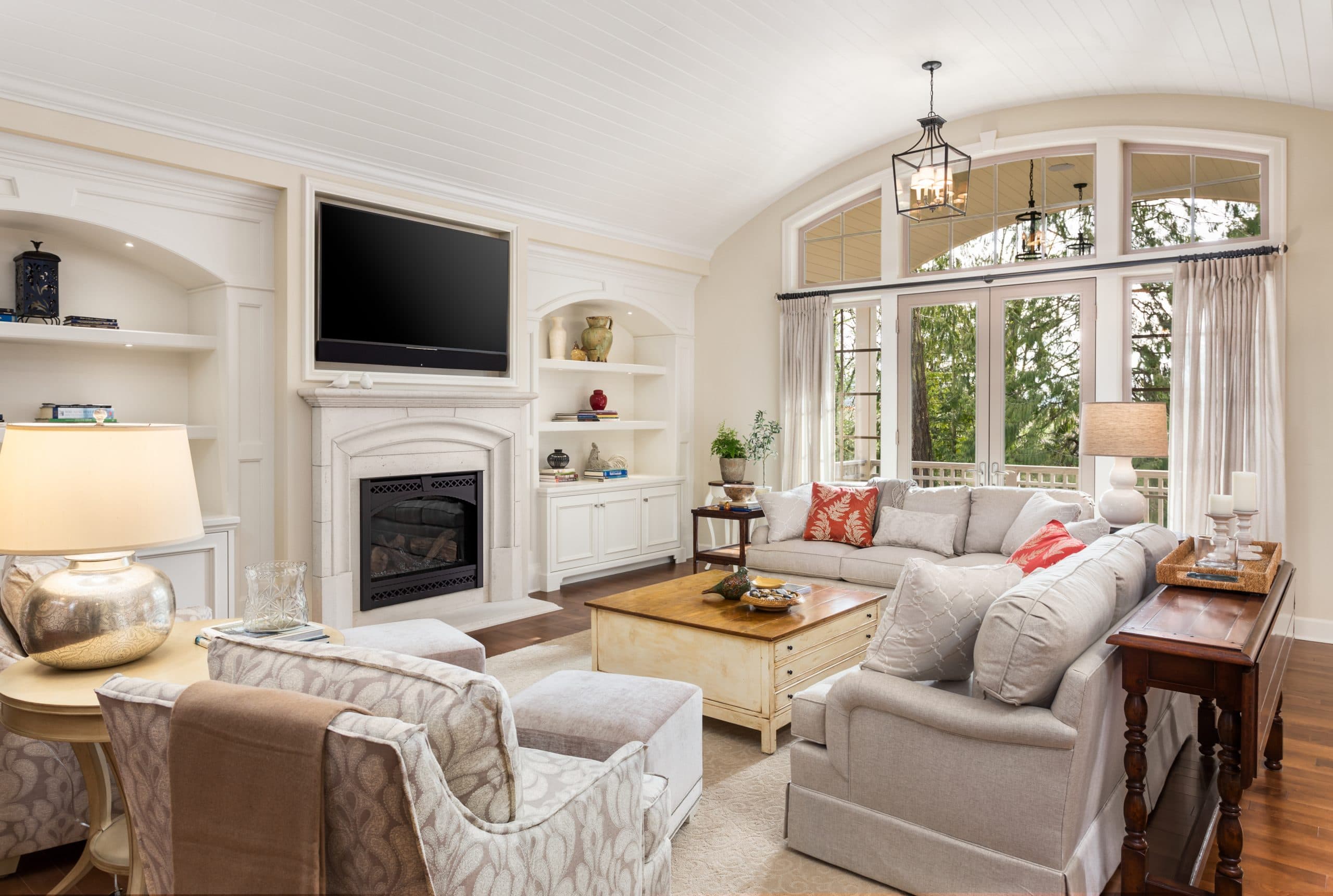
Beautiful living room in new traditional style luxury home. Features vaulted ceilings, fireplace with wall mounted tv, french doors leading outside, and elegant furnishings.
Home ImprovementApril 24, 2025

Fireplace Terminology Made Simple: Click to Learn Each Part

By Garrett Parrish

Back to Blog

An Interactive Guide to the Fireplace

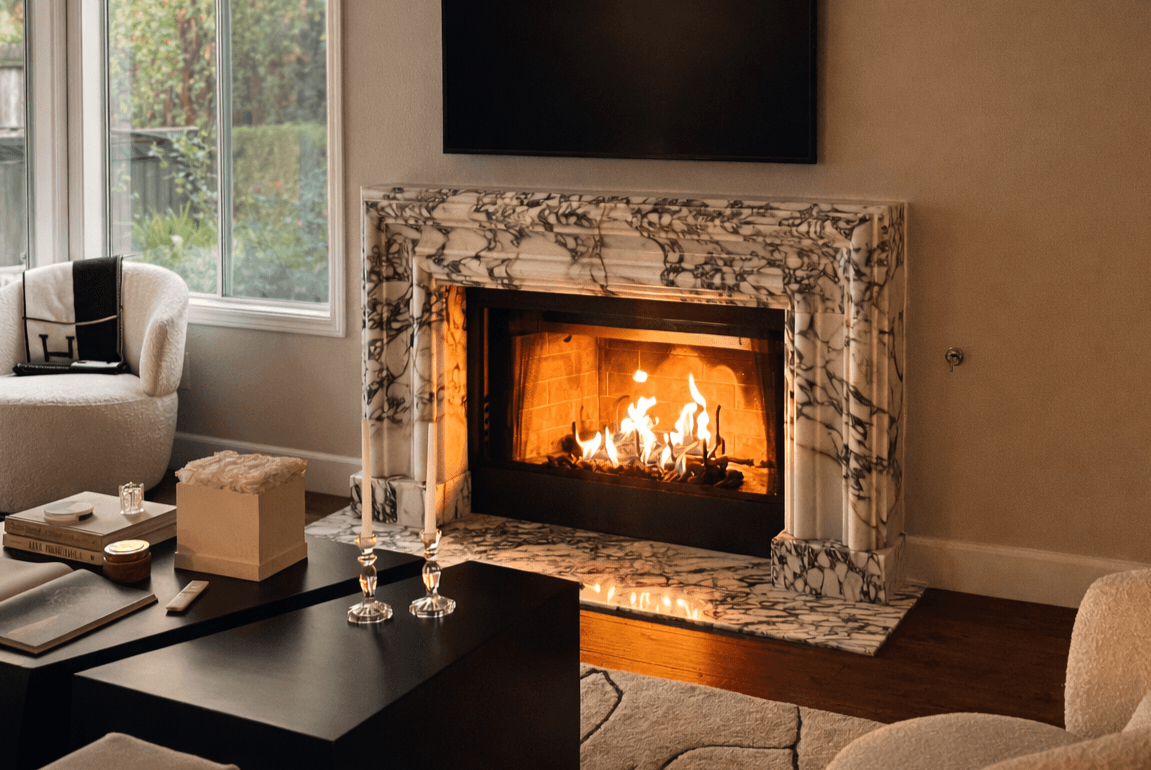
Whether you’re considering a fireplace remodel or just exploring design ideas for your home, understanding the different parts of a fireplace can be incredibly helpful. From fireboxes and hearths to mantels, surrounds, and everything in between, each component plays an important role in both form and function. This page is designed to give you a clearer picture—literally. Click through our interactive fireplace diagram to discover what each piece is, how it contributes to the overall design, and what to consider when planning your own project. If you’ve ever wondered “What are the parts of a fireplace called?”—you’re about to find out, one piece at a time.
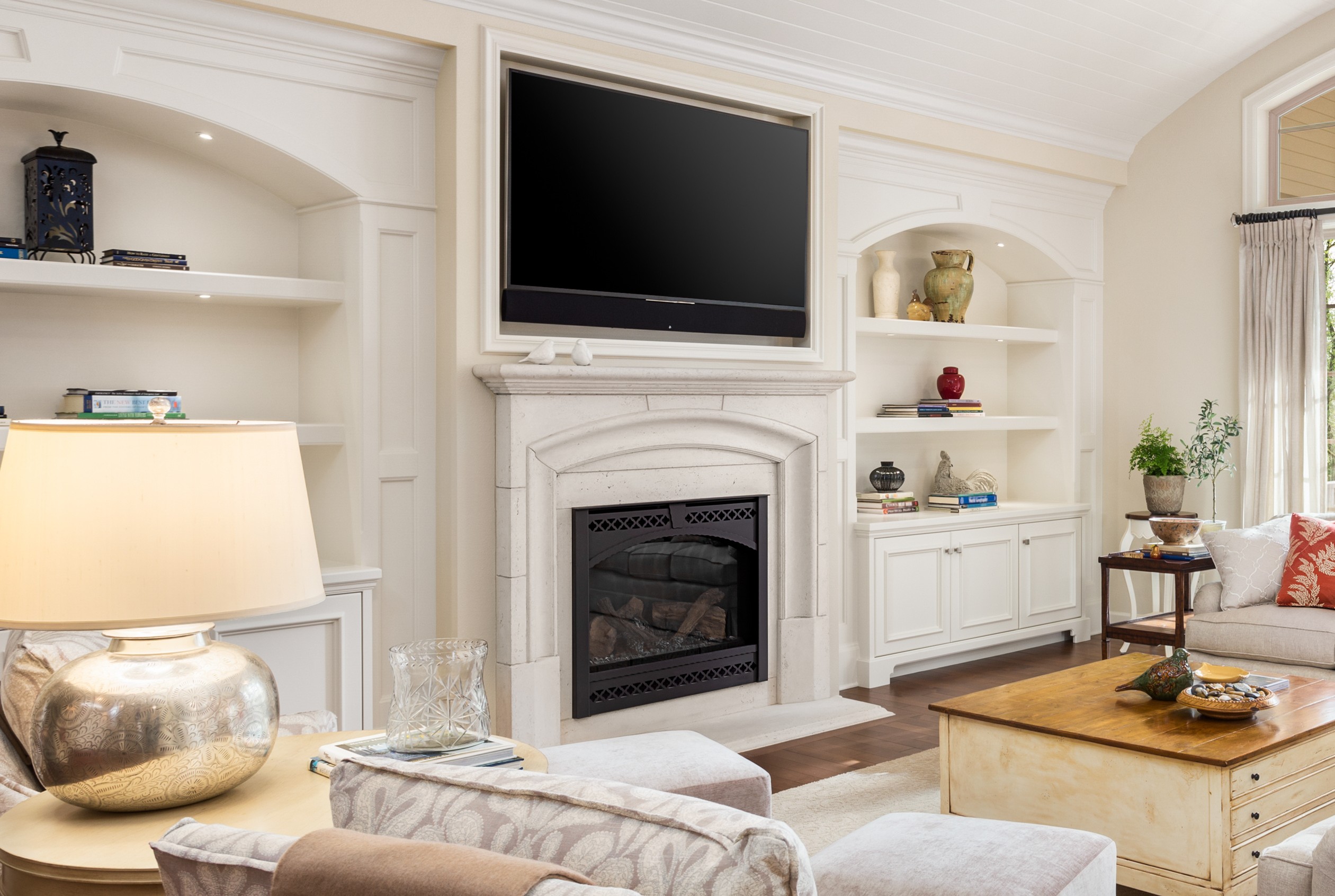
Interactive fireplace diagram — click each label to learn what each part is called
Overmantel The section above the mantel shelf, often extending to the ceiling. It adds height and visual impact, and can be enhanced with decorative panels, molding, or built-in shelving.
Mantel A decorative shelf positioned above the firebox opening. It can be a floating feature or supported by legs or pilasters for added architectural detail.
Header (Undermantel) Spans the space above the firebox between the pilasters. It connects the vertical elements and supports the mantel shelf, serving as both a structural and decorative feature.
Pillasters (Legs) The vertical elements on either side of the firebox that support the mantel and frame the opening. They can be simple or ornate, adding architectural character and balance.
Surround Frames the perimeter of the firebox, usually extending 8 to 12 inches around it. Its purpose is to safeguard the interior from heat and must be made of non-combustible materials.
Plinth The base block at the bottom of each pilaster or leg, providing structural support and a visual foundation. Often slightly wider than the pilaster above, it adds grounding and completes the architectural detailing.
Fireplace Insert An enclosed unit that fits within the firebox. Electric and gas fireplaces typically include an insert with extra features such as glass doors or built-in ventilation components.
Hearth Sits at the base of the fireplace, typically extending 16 to 18 inches beyond the firebox. It shields surrounding flooring from heat and embers, and must be made from non-combustible materials.

Hover to highlight, click to learn about each part

A Glossary of the Parts of a Fireplace

Overmantel

The overmantel is the section above the mantel shelf, often extending to the ceiling. It adds height and visual impact to the fireplace, and can be left simple or enhanced with decorative panels, molding, or even built-in shelving or artwork.

Mantel

The mantel is a decorative shelf positioned above the firebox opening. It can either be a floating feature or supported by legs or pilasters for added architectural detail.

Header (Undermantel)

The header, or undermantel, spans the space above the firebox between the pilasters. It connects the vertical elements and supports the mantel shelf, serving as both a structural and decorative feature in the fireplace surround.

Pillasters (Legs)

Pilasters or legs are the vertical elements on either side of the firebox that support the mantel and frame the fireplace opening. They can be simple and understated or more ornate, adding architectural character and balance to the overall surround design.

Surround

The surround frames the perimeter of the firebox, usually extending 8 to 12 inches around it. Similar to the hearth, its purpose is to safeguard the interior from the fireplace’s heat and must be made of non-combustible materials.

Plinth

The plinth is the base block at the bottom of each pilaster or leg, providing both structural support and a visual foundation for the fireplace surround. Often slightly wider than the pilaster above, it adds a sense of grounding and completes the architectural detailing.

Fireplace Insert

Traditional masonry fireplaces often consist of just a firebox. In contrast, electric and gas fireplaces typically include an insert—an enclosed unit that fits within the firebox and may contain extra features such as glass doors or built-in ventilation components.

Hearth

The hearth sits at the base of the fireplace, typically extending 16 to 18 inches beyond the firebox onto either a raised platform or a floor-level surface. It’s designed to shield the surrounding flooring from heat and stray embers and must be constructed from non-combustible materials.


Now that you know the anatomy of a fireplace, let’s find the one that fits your home just right. From cozy wood-burning classics to sleek electric options, we’ve got you covered.
See Fireplace Styles & Options »

Written by Garrett ParrishUpdated March 15, 2026
All Articles

Table of Contents

An Interactive Guide to the Fireplace
A Glossary of the Parts of a Fireplace
Overmantel
Mantel
Header (Undermantel)
Pillasters (Legs)
Surround
Plinth
Fireplace Insert
Hearth
6 min read

Categories

Home ImprovementHomeowner TipsInterior Design & AestheticsPlanning Your Remodel

Share This Post

About the Author

Garrett Parrish

Garrett Parrish

Garrett Parrish is the Owner and CEO of Parrish Construction Inc., a design-build residential remodeling firm serving the Greater Sacramento Area. With over 10 years of hands-on experience in residential construction — from flooring, tile, and carpentry to electrical and plumbing — Garrett brings a detailed understanding of every phase of the building process to each project. He holds a Bachelor of Science in Network Security, which shapes his structured approach to project management and business operations. Garrett oversees company growth, quality control, and client satisfaction, working closely with subcontractors and suppliers to deliver projects on time and on budget.

Have a project in mind?

Let's discuss your remodeling goals and bring them to life.

Request an Estimate

Related Posts

Walk Your Plans Sacramento storefront
Architecture & HistoryFebruary 24, 2026

Walk Your Plans Sacramento | Remodel Planning Tool

If you’re planning a kitchen remodel, bathroom renovation, or home addition in Sacramento, you’ve likely stared at construction drawings wondering, “Is this really going to feel right?” Blueprints, elevations, and 3D renderings are helpful, but for many homeowners, they don’t fully translate into how a space will actually function day-to-day. That’s exactly why Walk Your […]

Beautifully remodeled high-end home interior showcasing return on investment potential
Home ImprovementAugust 11, 2025

How to Maximize ROI on a High-End Home Remodel

Remodeling your home is about more than just updating finishes or refreshing outdated spaces—it’s an opportunity to invest in the long-term value of your property. For homeowners considering a high-end renovation, maximizing return on investment (ROI) is just as important as achieving a beautiful end result. Whether you’re planning to stay in your home for […]

Contractor working on a home remodeling project
Home ImprovementJuly 6, 2025

Hot Take: 10 Reasons to Hire a Contractor Instead of “DIYing” It

DIY projects can be incredibly rewarding. There’s a certain pride that comes from building something with your own hands and for smaller home updates, it can absolutely make sense. But when it comes to bigger renovations, complex systems, or anything that affects the long-term value of your home, it’s worth considering the advantages of bringing […]